

Few trekking routes in the world capture the imagination quite like the Inca Trail. Winding through the Andes Mountains of Peru, this iconic path offers far more than a physical challenge; it is a deeply immersive journey into ancient civilization, breathtaking landscapes, and cultural heritage. Leading adventurers to the legendary Machu Picchu, the trail has become a bucket-list experience for travelers seeking both adventure and meaning.
Historical Significance of the Inca Trail
The Inca Trail was originally part of an extensive network of roads built by the Inca Empire, which once spanned across much of western South America. This sophisticated system, known as Qhapaq Ñan, connected cities, temples, and agricultural centers. The trail itself served as a sacred pilgrimage route leading to Machu Picchu, believed to have been a royal estate or religious site.
Walking the Inca Trail today is like stepping back in time. Along the route, trekkers encounter ancient ruins such as Wiñay Wayna and Sayacmarca, which provide a glimpse into the architectural brilliance and spiritual depth of the Inca civilization.
The Route and Its Highlights
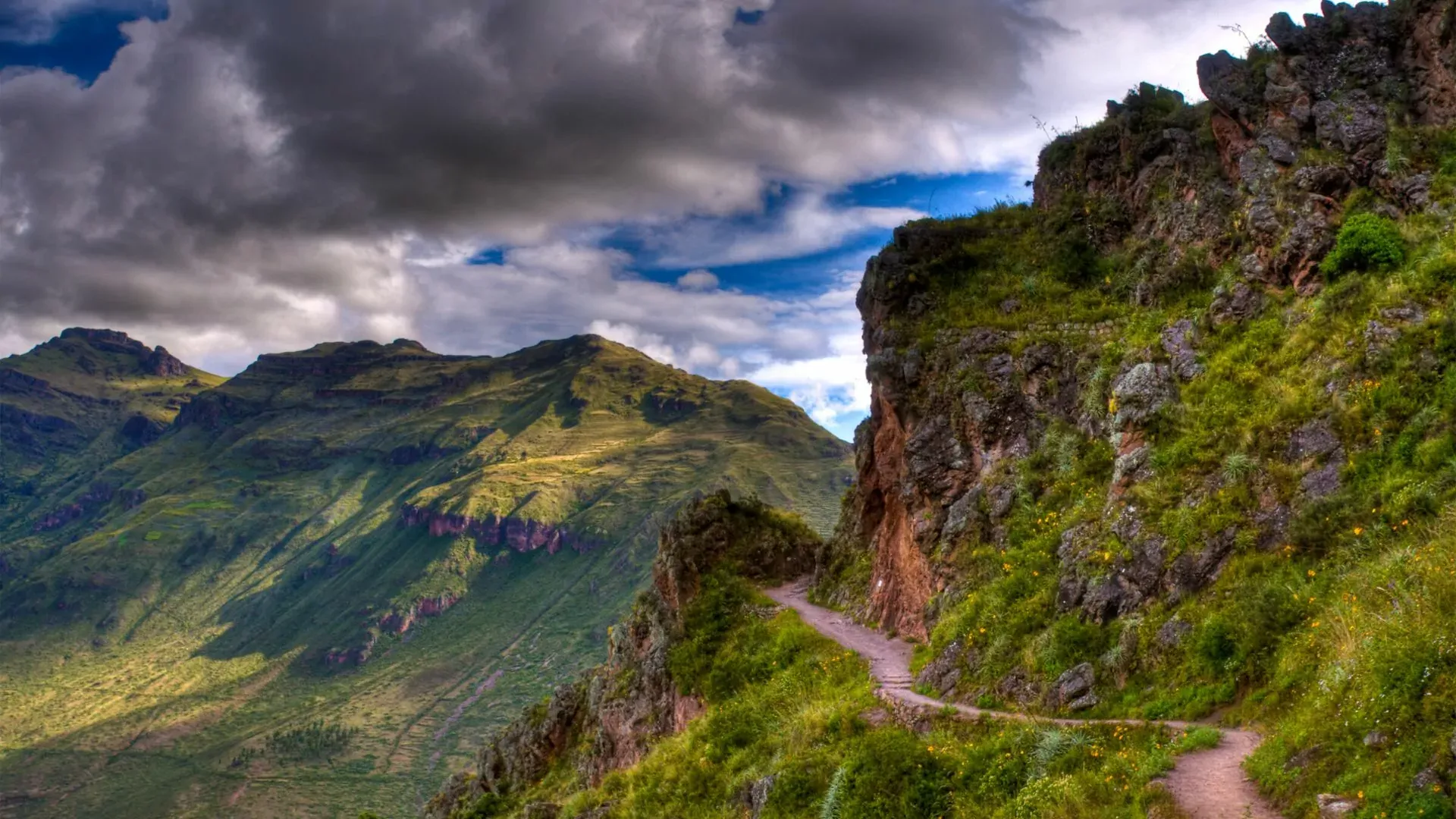
The classic Inca Trail spans approximately 42 kilometers (26 miles) and typically takes four days to complete. It begins near the Sacred Valley and traverses diverse terrain, including cloud forests, alpine tundra, and lush valleys.
One of the most famous points along the trail is Dead Woman’s Pass, reaching an altitude of over 4,200 meters (13,800 feet). Despite its intimidating name, the pass offers stunning panoramic views that reward those who make the climb.
The final stretch leads hikers through the Sun Gate, or Inti Punku, where the first breathtaking view of Machu Picchu unfolds at sunrise. This moment is often described as magical, a culmination of days of effort and anticipation.
Natural Beauty and Biodiversity
The Inca Trail is not only rich in history but also abundant in natural beauty. It passes through parts of the Andes Mountains, offering dramatic landscapes and unique ecosystems.
Trekkers may encounter a wide variety of flora and fauna, including orchids, hummingbirds, and even the elusive spectacled bear. The region’s biodiversity is carefully protected, making the trail a model for sustainable tourism.
The changing scenery from misty forests to rugged mountain passes ensures that each day of the hike feels distinct and captivating.
Cultural Experience
Beyond the physical and visual appeal, the Inca Trail offers a rich cultural experience. Many tours are led by local guides, often descendants of the Quechua people, who share stories, traditions, and insights into Andean life.
Camping along the trail allows travelers to disconnect from modern distractions and connect more deeply with nature and history. Meals prepared by trekking crews often feature local ingredients, adding another layer of authenticity to the journey.
Planning Your Trek
Due to its popularity and ecological importance, access to the Inca Trail is strictly regulated. Permits are required and often sell out months in advance. Only licensed tour operators can guide trekkers along the route.
The best time to hike is during the dry season, from May to September. However, this is also the busiest period, so early booking is essential. The trail is closed in February for maintenance and conservation.
Physical preparation is crucial. While no technical climbing skills are required, the altitude and steep terrain can be challenging. Training with long hikes and building endurance beforehand is highly recommended.
Responsible Tourism
Preserving the Inca Trail for future generations is a shared responsibility. The Peruvian government enforces strict guidelines to minimize environmental impact, including limits on daily visitors and mandatory use of guides.
Trekkers are encouraged to follow “Leave No Trace” principles, respect archaeological sites, and support local communities by choosing ethical tour operators.
Sustainable tourism not only protects the trail but also ensures that local populations benefit economically and culturally from its global appeal.
Why the Inca Trail Stands Out
There are many trekking routes around the world, but the Inca Trail remains unparalleled due to its unique combination of history, scenery, and destination. Unlike alternative routes to Machu Picchu, the Inca Trail allows hikers to enter the citadel through the Sun Gate, just as the Incas once did.
This sense of continuity walking the same paths as an ancient civilization creates a powerful emotional connection that few other experiences can match.
Conclusion
The Inca Trail is more than just a hike; it is a transformative journey through time, culture, and nature. From the remnants of the Inca Empire to the awe-inspiring beauty of the Andes, every step tells a story. Reaching Machu Picchu at the end of the trail is not merely a destination, it is a reward earned through perseverance, curiosity, and respect for the past.
For those seeking adventure with depth and meaning, the Inca Trail offers an experience that lingers long after the journey ends
Frequently Asked Questions (FAQ)
1. How difficult is the Inca Trail?
The Inca Trail is considered moderately difficult. The main challenges include high altitude, steep ascents, and long walking distances. Proper preparation significantly improves the experience.
2. Do I need a permit to hike the Inca Trail?
Yes, permits are mandatory and must be booked through licensed tour operators. They are limited and often sell out months in advance.
3. What is the best time to visit?
The dry season (May to September) is ideal for trekking. However, it is also the busiest time, so planning ahead is essential.
4. Can beginners hike the Inca Trail?
Yes, beginners can complete the trail with adequate preparation. Building stamina and acclimatizing to altitude are key factors.
5. Are there alternatives to the Inca Trail?
Yes, routes like the Salkantay Trek and Lares Trek also lead to Machu Picchu, but they do not follow the original Inca paths or include entry through the Sun Gate.
6. What should I pack for the trek?
Essentials include sturdy hiking boots, layered clothing, rain gear, sunscreen, a reusable water bottle, and basic first aid supplies.
7. Is altitude sickness a concern?
Yes, altitude sickness can affect trekkers. Spending a few days acclimatizing in Cusco before starting the hike is highly recommended.
