


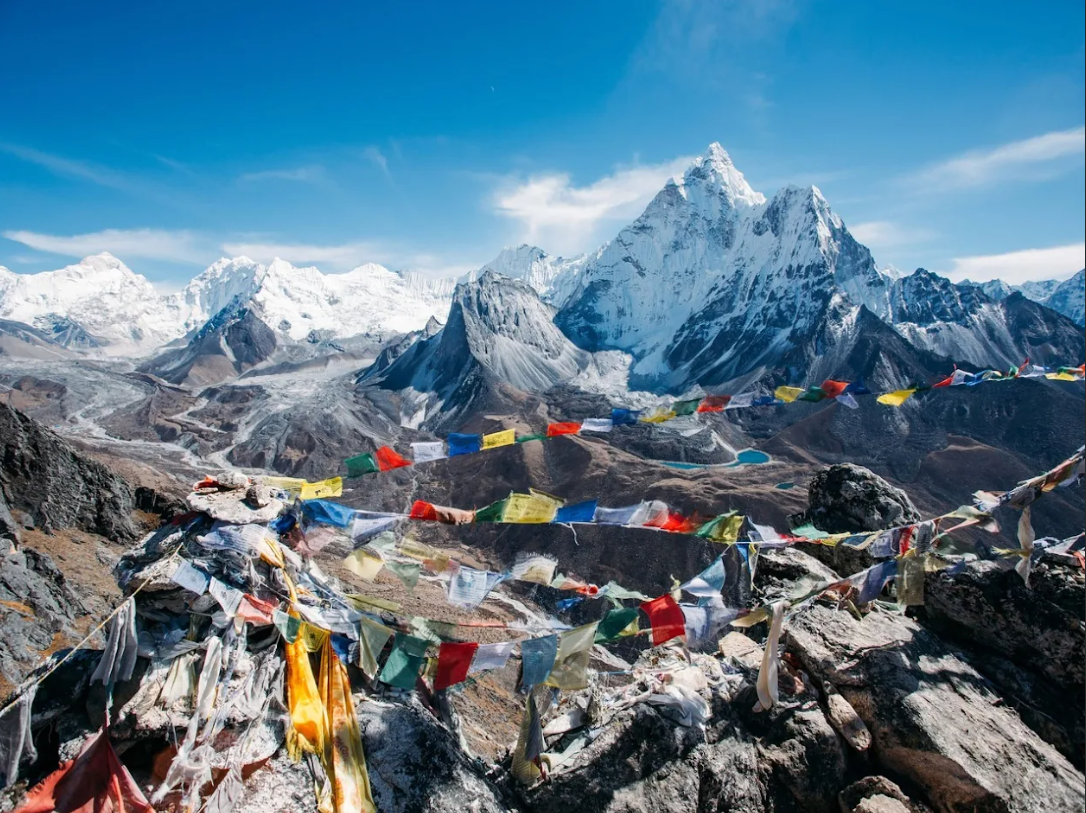
The Everest region of Nepal represents the pinnacle of Himalayan trekking. Snow-covered giants, ancient Sherpa villages, dramatic glaciers, and spiritual monasteries combine to create one of the world’s most iconic adventure destinations. Among the many trekking routes available, two experiences stand out for very different reasons: the Everest Three Passes Trek and the Everest Base Camp Trek with Helicopter Return to Kathmandu.
Both journeys offer unforgettable encounters with the Khumbu region, yet they appeal to different types of trekkers. One is a demanding, high-altitude circuit designed for experienced adventurers; the other is a time-efficient and luxurious alternative to the classic Everest Base Camp route. This article explores both treks in detail, helping readers understand their unique characteristics, challenges, and rewards.
The Everest Three Passes Trek: The Ultimate High-Altitude Adventure
The Everest Three Passes Trek is widely regarded as the most comprehensive and challenging trekking route in the Everest region. Designed for seasoned trekkers seeking a complete Khumbu experience, this circuit crosses three high mountain passes—Renjo La (5,360 m), Cho La (5,420 m), and Kongma La (5,535 m)—while linking together Everest Base Camp, the Gokyo Valley, and several remote Sherpa settlements.
Route Overview and Highlights
The trek typically begins with a flight to Lukla, followed by gradual acclimatization through Namche Bazaar, the cultural heart of the Khumbu. From there, trekkers venture deep into the high Himalayas, traversing glaciers, crossing exposed mountain passes, and witnessing some of the finest alpine scenery on Earth.
Key highlights include:
- Panoramic views of Everest, Lhotse, Makalu, and Cho Oyu
- The turquoise Gokyo Lakes and ascent of Gokyo Ri
- Crossing three technical, high-altitude passes
- A visit to Everest Base Camp and Kala Patthar
- Remote trails far from the standard Everest Base Camp route
Difficulty and Physical Demands
The Everest Three Passes Trek is not suitable for beginners. Daily ascents often exceed 500–700 meters, and several days involve long hours on rugged terrain. Altitude-related challenges are significant, as trekkers remain above 4,500 meters for extended periods.
This trek is best suited for:
- Experienced high-altitude trekkers
- Physically fit individuals with strong endurance
- Those seeking solitude and adventure over comfort
Duration and Best Season
Most itineraries range from 18 to 21 days, allowing proper acclimatization and contingency days. The best seasons are spring (March–May) and autumn (September–November), when weather conditions are most stable and mountain views are clear.
Everest Base Camp Trek with Helicopter Return to Kathmandu: Comfort and Efficiency
The Everest Base Camp Trek with Helicopter Return to Kathmandu is a modern variation of the classic trek, designed for travelers who want to experience Everest Base Camp without retracing their steps back to Lukla on foot. This option blends adventure with comfort, dramatically reducing trekking time while adding a spectacular aerial finale.
Trekking Experience and Route
The trek follows the traditional Everest Base Camp route:
- Lukla
- Phakding
- Namche Bazaar
- Tengboche
- Dingboche
- Lobuche
- Gorak Shep
- Everest Base Camp and Kala Patthar
After reaching Everest Base Camp and enjoying sunrise views from Kala Patthar, trekkers board a helicopter—often from Gorak Shep or nearby—which flies directly back to Kathmandu.
Key Advantages
This trek is particularly appealing due to:
- Time efficiency: Saves 3–4 days of return trekking
- Reduced physical strain: Ideal for those concerned about fatigue or knee stress
- Luxury element: Helicopter flight offers unmatched aerial views of Everest, glaciers, and valleys
- Accessibility: Suitable for moderately fit trekkers with limited vacation time
Helicopter Return Experience
The helicopter return is not merely transportation—it is a highlight in itself. Flying over the Khumbu Glacier, icefalls, and towering peaks provides a unique perspective impossible to achieve on foot. Weather permitting, the flight offers sweeping views of Everest, Nuptse, and Ama Dablam before descending into Kathmandu Valley.
Duration and Ideal Audience
Most Everest Base Camp Trek with Helicopter Return to Kathmandu itineraries last 10 to 12 days. This trek is ideal for:
- Professionals with limited time
- Trekkers seeking comfort and efficiency
- First-time Himalayan trekkers
- Older adventurers or those preferring reduced physical demands
Comparing the Two Treks
| Aspect | Everest Three Passes Trek | Everest Base Camp Trek with Helicopter Return |
| Duration | 18–21 days | 10–12 days |
| Difficulty | Very high | Moderate |
| Terrain | Remote, technical, high passes | Classic trail |
| Crowds | Low to moderate | High on trail, minimal on return |
| Comfort Level | Basic teahouses | Moderate with luxury element |
| Best For | Experienced trekkers | Time-conscious travelers |
Cultural and Scenic Experience
Both treks offer rich cultural exposure to Sherpa communities, Buddhist monasteries, and prayer-flag-lined trails. The Everest Three Passes Trek ventures into less-visited villages, providing a more intimate look at mountain life, while the Everest Base Camp Trek focuses on the region’s most famous landmarks and viewpoints.
In terms of scenery, the Three Passes Trek is unmatched for diversity, while the helicopter return trek compensates with dramatic aerial perspectives that few trekkers ever experience.
Choosing the Right Trek for You
Selecting between these two iconic journeys depends on your priorities:
Choose the Everest Three Passes Trek if you:
- Seek a physically demanding, immersive Himalayan adventure
- Want to explore the Everest region beyond the classic route
- Have sufficient time and prior trekking experience
Choose the Everest Base Camp Trek with Helicopter Return to Kathmandu if you:
- Want to reach Everest Base Camp efficiently
- Prefer a blend of trekking and comfort
- Have limited time but still want a premium experience
Final Thoughts
The Everest region offers trekking experiences for every type of adventurer, from endurance-focused mountaineers to travelers seeking iconic views with modern comforts. Whether crossing three formidable Himalayan passes or soaring back to Kathmandu by helicopter, both the Everest Three Passes Trek and the Everest Base Camp Trek with Helicopter Return to Kathmandu deliver life-changing encounters with the world’s highest mountains.