

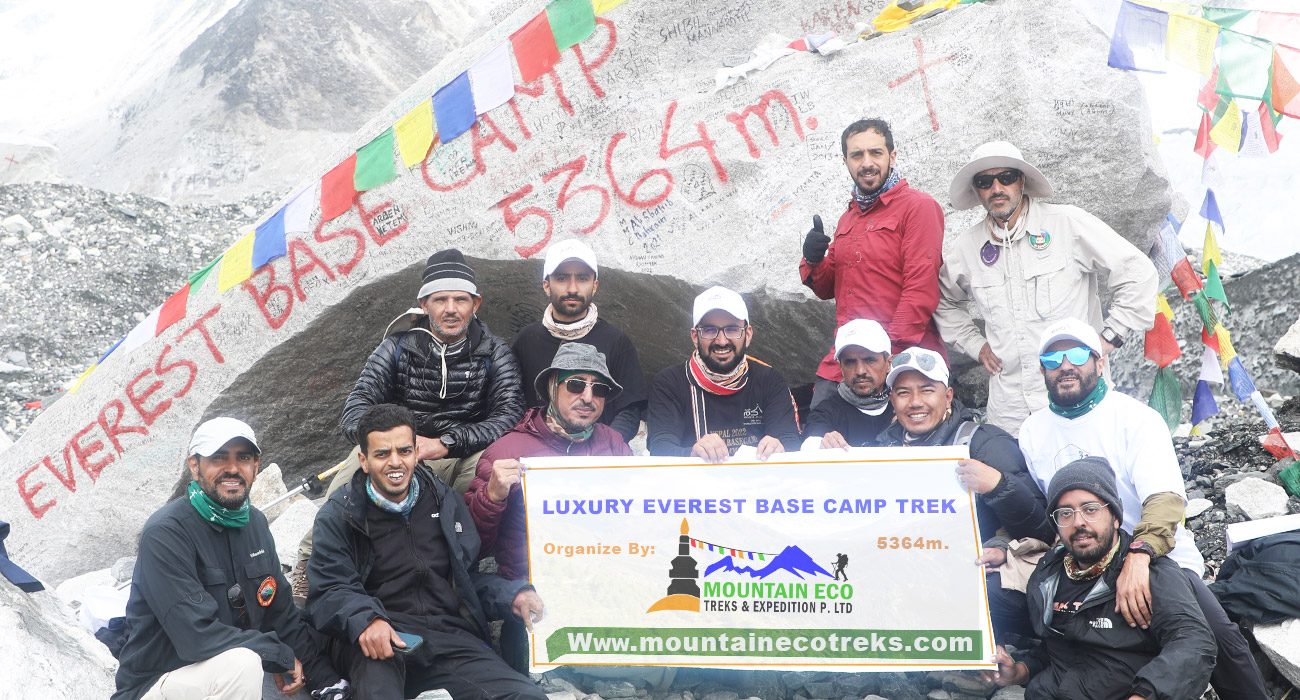

The Everest region is one of those places that can change the way you think about travel. Huge mountains surround the trail, small villages sit along steep valleys, and everyday life feels far removed from the busy world below.
For travelers who want to experience this remarkable setting without giving up comfort, the Everest Base Camp Luxury Trek offers a different approach. It combines the challenge of trekking with better planning, comfortable stays, and support throughout the journey.
You still have to walk. You still have to adjust to altitude. But you have more room to enjoy the experience instead of worrying about every small travel detail.
Why Pace Matters in the Mountains
A normal sightseeing trip often rewards speed.
The more places you visit, the more you feel you have accomplished.
Everest is different.
There Is No Need to Race
The trail has steep climbs, uneven surfaces, and high-altitude sections. Walking too quickly can drain your energy before you even realize it.
A steady pace is much more useful.
Walk comfortably, take short breaks, drink water, and save energy for the days ahead.
The goal is not to finish first.
The goal is to enjoy the entire journey.
Let the Trail Surprise You
You may start the day expecting one type of landscape and find something completely different a few hours later.
The mountains constantly change as you gain altitude.
Look for More Than Snowy Peaks
Lower sections can include forests and green hills.
Further up, you may see rocky slopes, glaciers, open valleys, and massive snow-covered mountains.
Even the same trail can look different depending on sunlight, clouds, and weather.
Keep your attention on the surroundings instead of walking with your eyes fixed on the next stop.
Discover the Character of Khumbu Villages
The Everest region has a strong local identity.
Villages along the trail show how communities have adapted to life in a difficult mountain environment.
Take Time to Observe Daily Life
You may see people carrying supplies, working around their homes, preparing food, or moving between villages.
Prayer flags and wheels are common sights, while monasteries and other religious places reflect the area’s Buddhist traditions.
Your guide can explain the meaning behind these things.
That makes the experience much richer than simply taking photographs and moving on.
Make Your Guide Part of the Experience
A guide is not only there to show you the route.
They can help you understand the region and make better decisions during the trek.
Ask Questions Along the Way
Ask about the mountains you see.
Ask about local customs.
Ask why certain villages were built where they are.
Ask about the weather or tomorrow’s route.
A good guide can turn a long walking day into an informal lesson about the Himalayas.
Give Your Body Time to Adapt
High altitude can affect anyone.
It does not matter whether you are young, athletic, or used to hiking.
As you climb, your body needs time to adjust to lower oxygen levels.
Acclimatization Should Never Be Skipped
A good itinerary includes time at certain elevations before climbing higher.
You may use these days to explore nearby areas with a short walk.
The idea is to stay active without exhausting yourself.
If you develop serious symptoms such as severe headache, confusion, nausea, dizziness, or difficulty breathing, inform your guide immediately.
Safety should always come before the itinerary.
Your Energy Is a Limited Resource
Every day on the trail uses energy.
If you spend too much on one day, you may feel the effects the next morning.
Save Some Strength for Tomorrow
Eat breakfast before starting.
Carry snacks.
Drink water regularly.
Take breaks before you are completely exhausted.
A controlled pace can help you stay comfortable across several days of trekking.
You do not have anything to prove to other hikers.
Choose Clothing That Can Adapt
Mountain weather can change quickly.
You might feel warm while climbing and cold when you stop.
Layers Are Better Than One Heavy Jacket
A practical clothing system can include:
- Base layer
- Fleece or warm mid-layer
- Insulated jacket
- Waterproof outer shell
- Trekking pants
- Gloves
- Warm hat
- Comfortable socks
This gives you more control when the temperature changes.
Use Comfortable Evenings to Recover
The walking may be the main activity, but what happens after the walk matters too.
A better place to rest can help you feel ready for the next day.
Build a Simple Night Routine
After arriving, take care of your feet.
Change into dry clothes.
Drink water.
Eat a proper meal.
Prepare your daypack for tomorrow.
Then rest.
This is one area where the Everest Base Camp Luxury Trek can provide an advantage over a more basic travel setup.
Keep Your Backpack Light
There is a simple rule for trekking:
If you do not need something, do not carry it.
Every unnecessary item becomes extra weight.
Carry the Essentials
Your daypack may include:
- Water
- Snacks
- Sunglasses
- Sunscreen
- Extra layer
- Rain protection
- Personal medication
- Phone or camera
- Power bank
Keep everything organized so you can find it quickly.
Give Your Camera a Break
The Everest region is extremely photogenic.
It is natural to want pictures of everything.
But spending the entire trek looking through a camera can make you miss the actual experience.
Capture the Feeling, Not Just the View
Take photographs of the major moments.
Then put the camera away.
Watch the clouds move across the mountains.
Listen to the river.
Look at the trail ahead.
Some memories are better experienced than photographed.
Be Ready for Changes in the Plan
Mountain travel is not always predictable.
Weather can affect flights. Trail conditions can change. A traveler may need additional rest.
Leave Some Space in Your Schedule
If possible, keep extra time between the trek and your next important flight.
A tight schedule creates unnecessary pressure.
A flexible schedule gives you room to handle delays calmly.
That is especially important when traveling in a remote mountain region.
Know What Luxury Really Means
A luxury trek does not mean every night will feel like a city resort.
Remote mountain locations have natural limits.
Comfort Has a Different Meaning Here
A comfortable room after a long climb can feel special.
A warm meal can feel better than an expensive restaurant.
Having your transportation and itinerary organized can remove a lot of stress.
The value comes from making the overall journey easier and more enjoyable within the reality of the mountains.
Check the Details Before Booking
Never choose a trek based only on its title.
The word “luxury” can mean different things from one package to another.
Know What Is Included
Before booking, check:
- Accommodation
- Meals
- Transportation
- Guide services
- Porter support
- Permits
- Acclimatization days
- Emergency arrangements
- Weather-related changes
Knowing these details beforehand helps prevent disappointment later.
Conclusion
The Everest Base Camp Luxury Trek gives travelers a chance to experience the Everest region without making discomfort the central part of the trip.
The mountain still demands preparation and patience. The altitude still matters. Weather can still change your plans.
But better organization, comfortable accommodation, professional support, and proper recovery can make the journey more enjoyable.
If you want to experience Everest at a thoughtful pace, take time to notice the people, landscapes, traditions, and quiet moments along the trail.
Reaching Base Camp is the achievement.
Everything you experience on the way there is the story.
Frequently Asked Questions
Can someone with limited trekking experience do this trek?
Yes, with proper physical preparation and a suitable itinerary. A professional guide can also provide valuable support during the journey.
How should I train before the trek?
Regular walking, hill training, stair climbing, and basic leg exercises can help. Start early enough to build endurance gradually.
What should I do if I feel tired?
Take a break, drink water, eat something, and tell your guide if the fatigue feels unusual. Do not push through serious symptoms.
Are luxury accommodations available everywhere?
Accommodation standards can vary by location, especially at higher elevations. Check the specific package details before booking.
Is the luxury trek worth the additional cost?
For travelers who value comfort, organization, and personal support, it can be worthwhile. Travelers focused mainly on price may prefer a standard trekking package.