


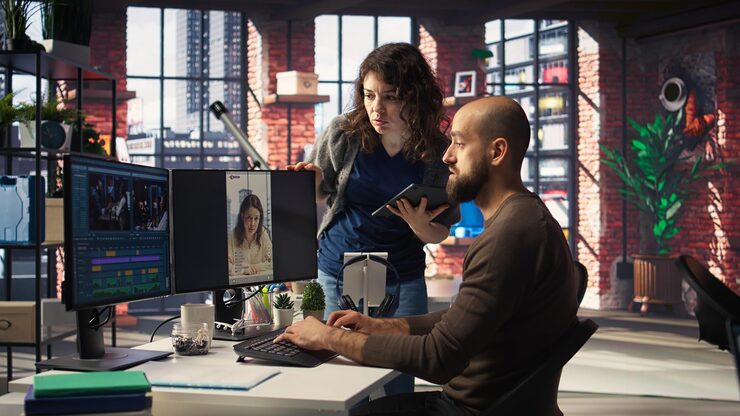
In early 2026, artificial intelligence has moved beyond novelty to become a core driver of video production, reshaping how marketers create, distribute, and measure content. With tools now capable of generating hyper-realistic footage, automating complex edits, and personalizing videos at scale, the barriers to high-quality video have never been lower. Yet this democratization brings both opportunity and complexity. Marketers who understand the key shifts can produce more effective campaigns faster, while those unprepared risk producing generic content that fails to connect. The following trends highlight what matters most this year.
Hyper-Realistic Generation Reaches Production Quality
The most visible leap in 2026 is the arrival of AI video models that deliver footage indistinguishable from traditional shoots in many contexts. Leading platforms now handle consistent character motion, accurate physics, and synchronized audio, enabling entire scenes to be built from text prompts alone.
Marketers benefit directly: product demonstrations, lifestyle spots, and explainer videos that once required studios, crews, and days of shooting can now be generated in hours. The realism extends to subtle details—fabric movement, lighting interactions, and natural gestures—that previously betrayed AI origins. This capability allows brands to test dozens of creative variations quickly and select the highest-performing version before committing budget.
The strategic implication is clear. Teams no longer need to choose between speed and quality; they can achieve both. Early adopters are using these tools to refresh evergreen content seasonally or localize campaigns for different markets without reshooting.
Personalization Moves from Concept to Standard Practice
Static video ads are giving way to dynamic versions tailored to individual viewers. AI now analyzes first-party data, viewing behavior, and contextual signals to adjust narration, visuals, and calls-to-action in real time.
A single master video can spawn thousands of micro-variants: different product colors shown to different segments, localized pricing overlays, or even personalized voiceovers. Platforms increasingly integrate directly with customer data platforms and ad servers, making scaled personalization operationally viable.
For marketers, this shift dramatically improves relevance and conversion rates. Campaigns that once relied on broad targeting now speak directly to niche audiences, strengthening engagement in an era of shrinking attention spans.
AI Becomes Embedded in Every Workflow Stage
Rather than standalone generative tools, 2026 sees AI deeply integrated across the entire production pipeline. Scripting assistants suggest narrative arcs and dialogue optimized for platform algorithms. Automated editing suites handle rough cuts, color grading, captioning, and localization. Post-production tools generate matching B-roll, remove filler words, and extend backgrounds seamlessly.
The result is a significant reduction in turnaround time. What used to take weeks now often takes days—or less—for iterative content like social clips and performance ads.
Marketers should treat AI as infrastructure rather than a special project. Teams that embed these capabilities into standard operating procedures can ship far more video volume without proportional budget increases, freeing creative energy for strategy and storytelling.
Authenticity and Human Oversight Remain the Differentiators
Despite technical advances, audiences quickly detect overly polished or generic AI content. The most successful 2026 campaigns blend AI efficiency with unmistakable human taste: imperfect camera angles, genuine creator voices, and user-generated-style aesthetics.
Leading brands use AI to accelerate production but retain final creative control with human directors and editors. This hybrid approach produces content that feels relatable rather than manufactured.
Short-form remains dominant, with the crucial first seconds determining whether viewers continue watching. Marketers who prioritize raw, relatable moments over flawless production often see stronger organic reach and trust.
Navigating Ethical Challenges and Regulatory Scrutiny
As AI video becomes ubiquitous, transparency requirements grow. Platforms and regulators increasingly demand clear disclosure when synthetic media depicts people or events, particularly in advertising.
Brands face rising expectations to watermark AI-generated content and maintain strict consent protocols for likeness usage. Mishandling these issues can erode consumer trust quickly.
Forward-thinking marketing leaders build internal guidelines early, train teams on responsible use, and audit outputs regularly. Ethical practice is no longer optional—it directly impacts brand reputation and campaign longevity.
Building an AI-Ready Video Marketing Function
The organizations winning in 2026 treat video as a volume game enabled by AI, not a rare artisanal output. Success requires new muscle: dedicated budgets for AI tools, cross-functional teams blending creative and technical skills, and clear metrics that reward both efficiency and effectiveness.
Start by piloting integrated platforms that cover the full workflow from ideation to distribution. Invest in training so teams understand both the creative possibilities and limitations of current models. Measure not just production speed but audience resonance—engagement rates, brand lift, and conversion attribution remain the ultimate benchmarks.
Marketers who strategically embrace these trends position their brands to create more compelling video content, reach audiences more precisely, and respond to market changes with unprecedented agility. The technology is ready; the question is whether marketing organizations will adapt fast enough to lead rather than follow.